Start Strong: Essential Indoor Gardening Tools for Beginners
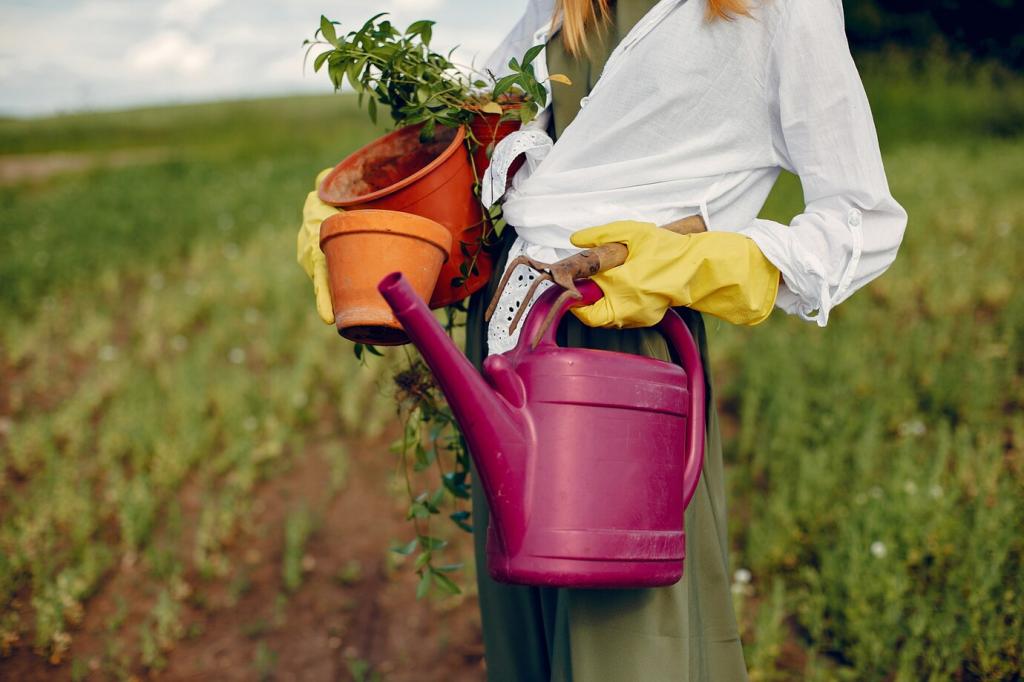
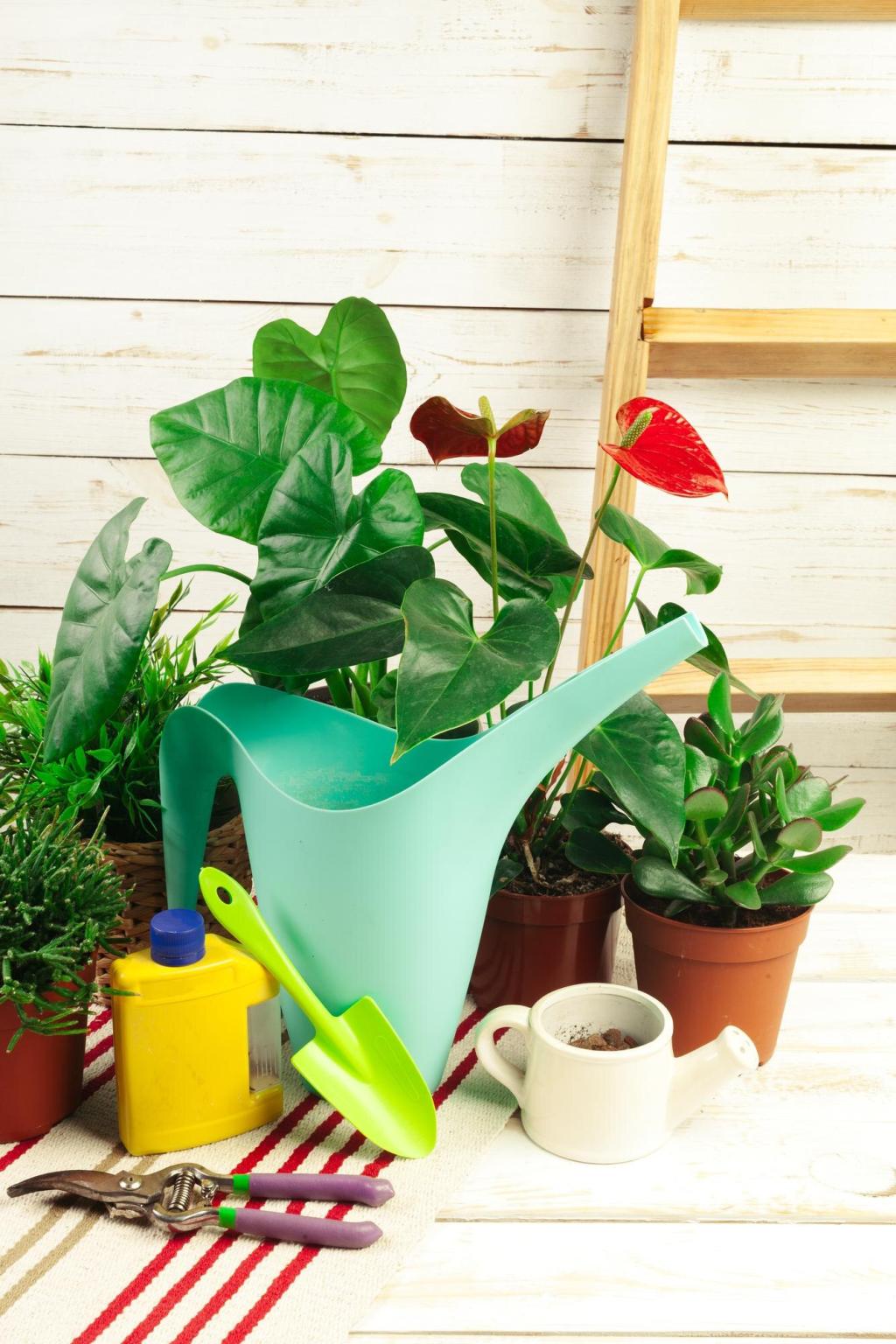
Watering Can with a Narrow Spout
Accurate watering is the difference between perky leaves and soggy roots. A slim spout lets you aim under foliage and around stems, preventing splashes on furniture and soil eruptions. Beginners love how it teaches gentle watering, one purposeful pour at a time.
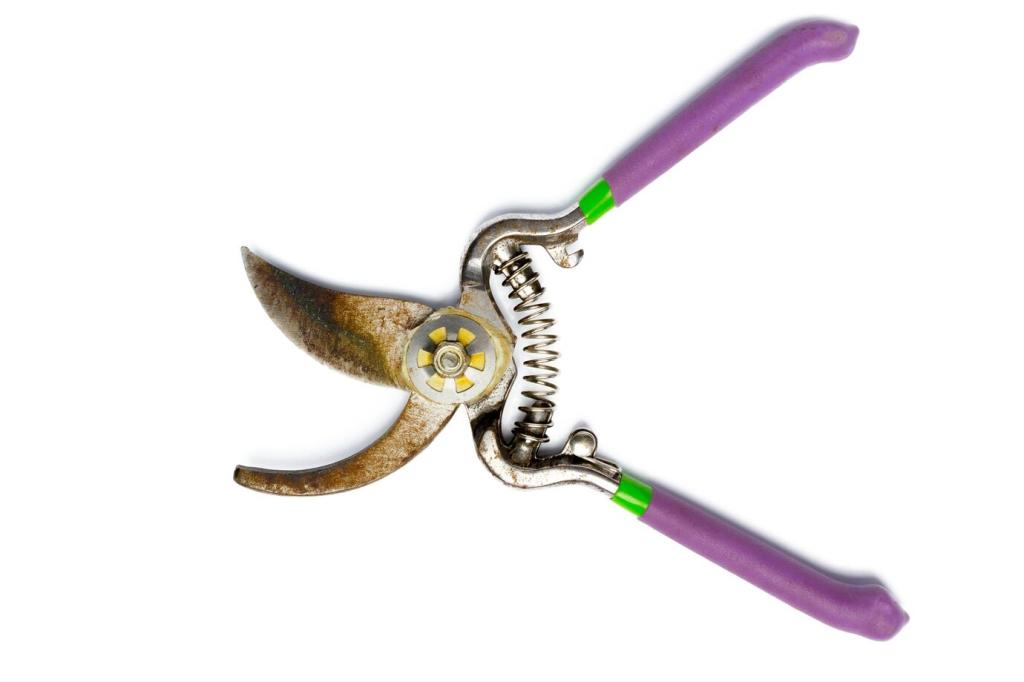
Clean, Sharp Pruners and Scissors
A tidy snip encourages bushier growth and stops diseases from spreading. Keep a pocket pair for herbs, trailing vines, and trimming yellow leaves. Wipe blades with alcohol after each use to stay ahead of pests and protect your entire indoor jungle.
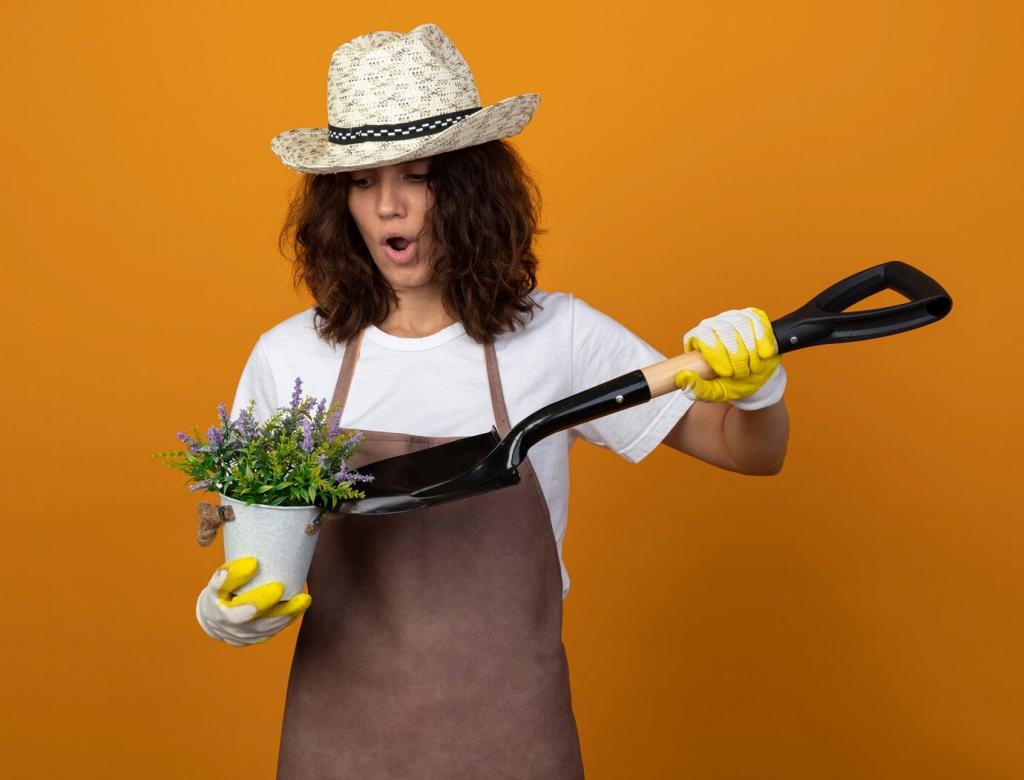
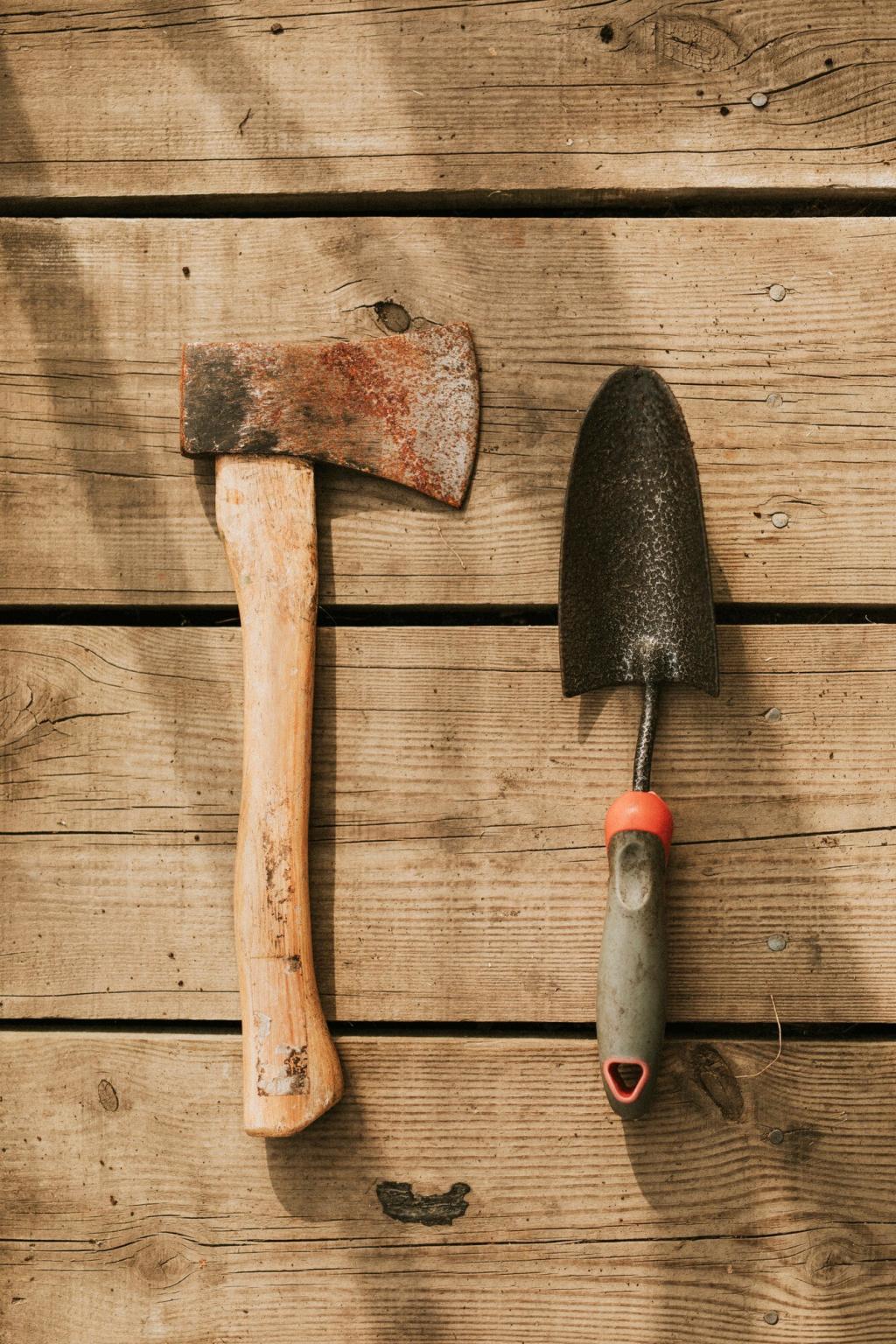
Hand Trowel and Soil Scoop
A compact trowel and deep scoop make repotting faster and cleaner. Scoop mix precisely, guiding it around roots without crushing them. Beginners often say the right scoop turns a messy chore into a soothing ritual that leaves counters surprisingly spotless.
LED Grow Lights for Consistent Brightness
Choose full-spectrum LEDs labeled for plants and aim for 10–14 hours for most indoor foliage. Position them 6–18 inches above leaves, adjusting weekly. If new growth appears pale and stretched, lower the light or increase duration—tiny tweaks make a big difference.
Timers and Smart Plugs
Consistency creates reliable growth. Plug your lights into a timer and forget the daily switch. Beginners tell us automation made them feel instantly competent, especially during busy weeks or vacations. Set it once, then watch your plants respond with steady, happy leaves.
Clip-On Fans for Air Circulation
A gentle breeze strengthens stems and discourages mold. Place a fan on a low setting, angled past the plants rather than directly at them. The subtle movement mimics nature and keeps water from lingering on leaves after misting or shower days.
Drainage holes are non-negotiable for beginners. They release excess water, preventing root rot. Slip decorative covers around nursery pots if you want a clean look. Start simple: plastic nursery pots are light, affordable, and easy to monitor while you learn.
Trays catch runoff and protect shelves. Look for trays with raised ridges so pots never sit in water. A simple tray under a group of plants also makes moving them for cleaning effortless, encouraging better habits and fewer accidental spills.
For thirsty herbs or forgetful days, reservoirs help maintain moisture. Use a wick system and a light, airy mix so water rises evenly. Check the indicator weekly. Beginners often report fewer stress spots on leaves and deeper, healthier root systems.
Measure What Matters: Monitoring Tools
Push the probe halfway into the pot, testing two or three spots. Water only when readings align with your plant’s needs. Over time you’ll notice patterns—succulents wait, ferns sip. The meter becomes a training wheels tool while your intuition develops.
Track humidity and temperature in one glance. Many houseplants perk up around 40–60% humidity. If numbers drop during heating season, group plants or add a small humidifier. Watching the display steadily climb can feel like a quiet, daily victory.
If you grow leafy greens or tomatoes indoors, periodic pH and electrical conductivity checks help avoid nutrient lockout. Simple drop tests work fine for beginners. Keep notes and compare plant responses; tiny adjustments often restore lush color within weeks.
Spray Bottle with Gentle Solutions
Keep a labeled bottle for plain water and another for a mild soap or neem solution. A light spritz under leaves disrupts early pest stages. Always test on one leaf first; beginners learn quickly that patience and spot-testing save entire collections.
Sticky Traps and a Pocket Magnifier
Yellow traps reveal fungus gnats and whiteflies early. Pair them with a small magnifier to inspect leaf undersides. Catching pests at the first sign turns a potential outbreak into a footnote, and it builds confidence surprisingly fast.
Alcohol Swabs and Soft Brushes
Dab mealybugs with alcohol and brush away residue gently. Clean pruner blades between plants to avoid cross-contamination. Many beginners swear by a weekly “leaf spa,” which doubles as quiet time to notice new growth and celebrate small wins.
Soil, Mixes, and Repotting Aids
Combine base potting mix with perlite, bark, or coco coir in a shallow tub. Scoops keep ratios consistent and counters clean. Beginners quickly notice fewer soggy pots and more resilient roots when their blend matches the plant’s natural preferences.
Soil, Mixes, and Repotting Aids
Sift out fines that compact and slow drainage. A minute of sifting creates a fluffier, oxygen-rich mix that roots love. It feels oddly satisfying, too—like shaking off the day’s noise and preparing a soft bed for new growth.
Store pruners, meter, swabs, and a pen in one caddy. Label pots with plant names and watering notes. The moment a leaf droops, you’ll reach for exactly the right tool without rummaging, making quick fixes feel easy and almost automatic.